Vicky Sun
Sailing my ship...

Storytelling with
Words & Images

Journalism · Photography · Filmmaking

View My Works

About Me

Portrait

SUN WANNUO

Background in journalism and communication, with a focus on arts and culture, gender equality, and mental health. Capable of producing multi-format content including graphics, video, and podcast, with proficiency in AIGC tools for workflow optimization. Previously ran an independent account from content creation to monetization. Bilingual in Chinese and English, with cross-cultural storytelling capabilities.

24
Age
Tennis
Hobby
MA
Education

Featured Portfolios

Take chances you never imagined you would

News Portfolio

📰 News Portfolio

A collection of in‑depth reports and feature stories covering mental health, gender issues, food culture, and urban life.

Photography Portfolio

📷 Photography Portfolio

A series of documentary photography capturing rural changes, urban memories, and human stories.

Film Portfolio

🎞️ Film Portfolio

Three documentaries and short films exploring local creativity, intangible cultural heritage, and family bonds.

Podcast Portfolio

🎧 Podcast Portfolio

Two podcast episodes on digital wellbeing and the art of relaxation in modern life.

What I bring
to the table
Say yes to new adventures
Bilingual Proficiency Visual Aesthetics AI Tool Proficiency Research & Analysis Interpersonal & Storytelling Skills Creative Strategy Content & Social Media

Get In Touch

I am open to cooperation opportunities, interviews and project collaborations. Feel free to contact me.

© SUN WANNUO. All Rights Reserved.

News Portfolio

Words and ideas can change the world

🤍 Mental Health
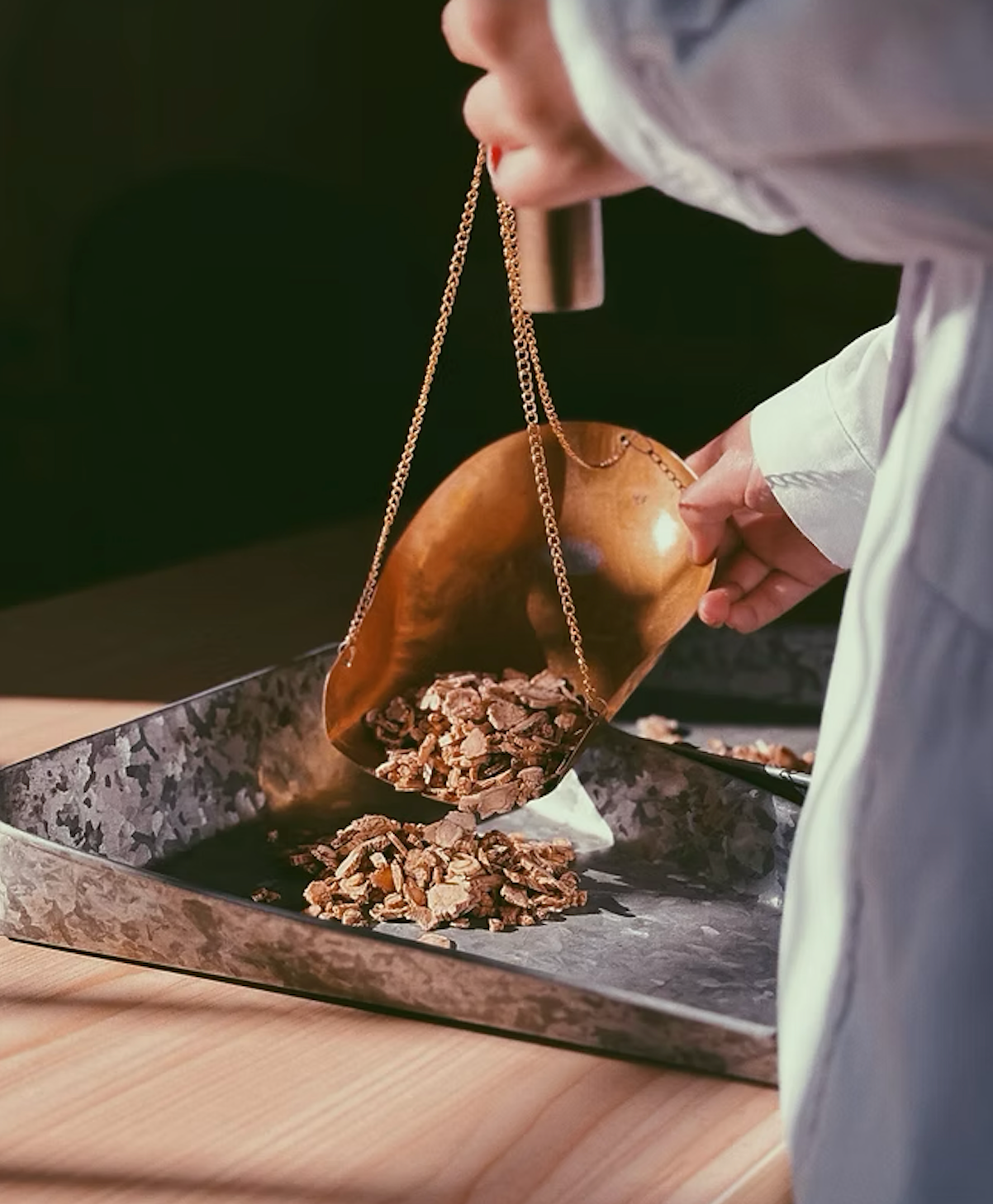
TCM Herbal Formula
Chinese Medicine Herbal Formula Helps Alleviate Depression, Anxiety, and Sleep Issues, HKBU Study Finds

A 2025 HKBU study demonstrates that TCM has the potential to play an important role in addressing depression, anxiety, and sleep issues, offering a safe and effective option for those with subthreshold depression.

Elderly Caregivers
More than 40% of Hong Kong's "Elderly caring for the elderly" family caregivers suffer from depression and anxiety

A recent study reveals that over 40% of family caregivers in Hong Kong's "elderly caring for the elderly" demographic face mental health issues, highlighting an urgent social need.

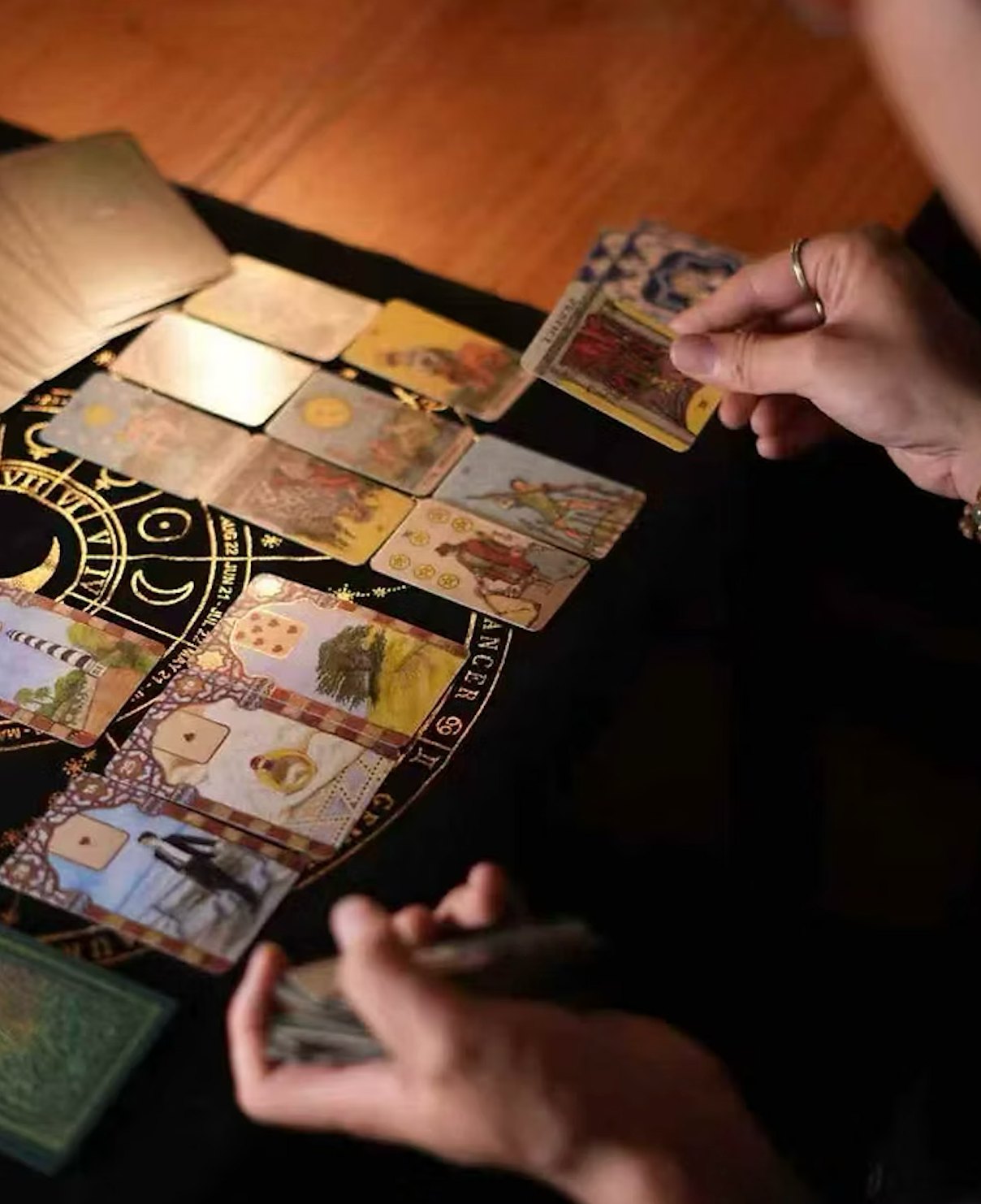
Tarot Cards
Tarot Cards Become an Outlet for Young People to Relieve Anxiety

On Bilibili, the topic of "tarot" has garnered over 16 million views, with young people turning to tarot cards as a tool for emotional management and self-reflection.

⚧️ Gender Issue
Elderly Women Poverty
"I have HK$4,700 in my bank account": Elderly Women in Hong Kong Are Poorer Due to Systemic Gender Inequality

Elderly women in Hong Kong are disproportionately poorer than men, with 72.3% of elderly CSSA recipients being women. Many worked all their lives but have no savings due to family duties and lack of education.

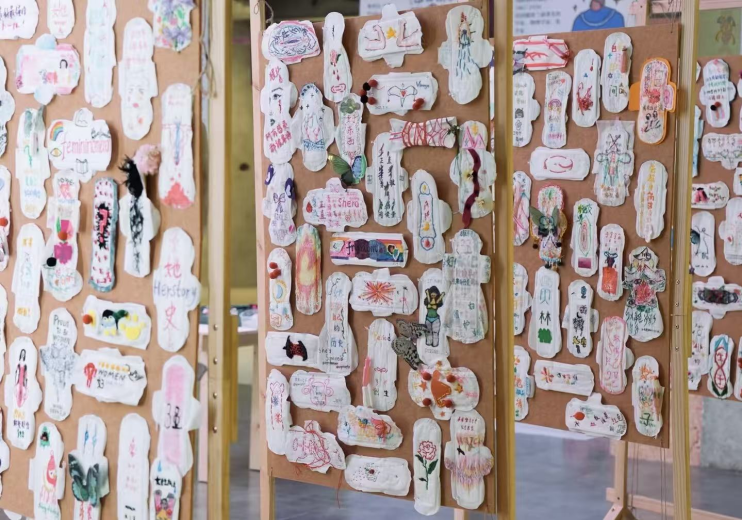
Menstruation Exhibition
From Taboo to Talk: China's Shifting Attitudes Toward Menstruation

Once seen as dirty and shameful, menstrual blood is now turned into paintings and embroidered art pieces. Public art exhibitions and university initiatives are challenging period shame across China.

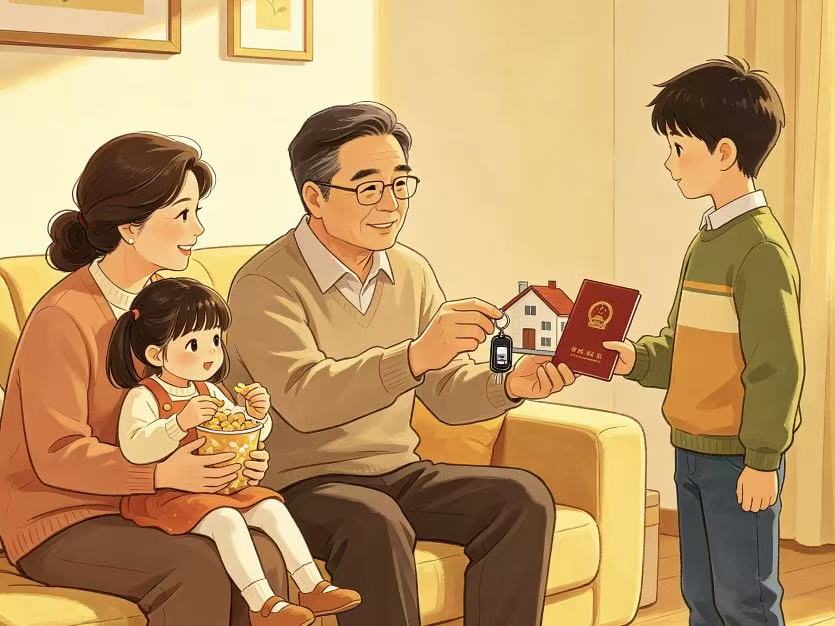
Invisible Son Preference
Invisible Son Preference: Urban Daughters Denied Equal Inheritance of Parental Real Estate

Even in cities that advocate equality, 70.2% of urban parents provide down payments for sons' wedding homes, while only 13.1% do so for daughters. Daughters are often denied equal inheritance due to traditional patriarchal norms.

🍽️ Food Culture
Baby Formula Safety
Hong Kong Parents Vigilant over Baby Food Safety – Prompted by Recent Recalls

Following a Nestle infant formula recall, complaints over baby food safety in Hong Kong have surged. Parents are shifting from blind trust to greater vigilance, with 72% now actively checking safety notices before purchases.

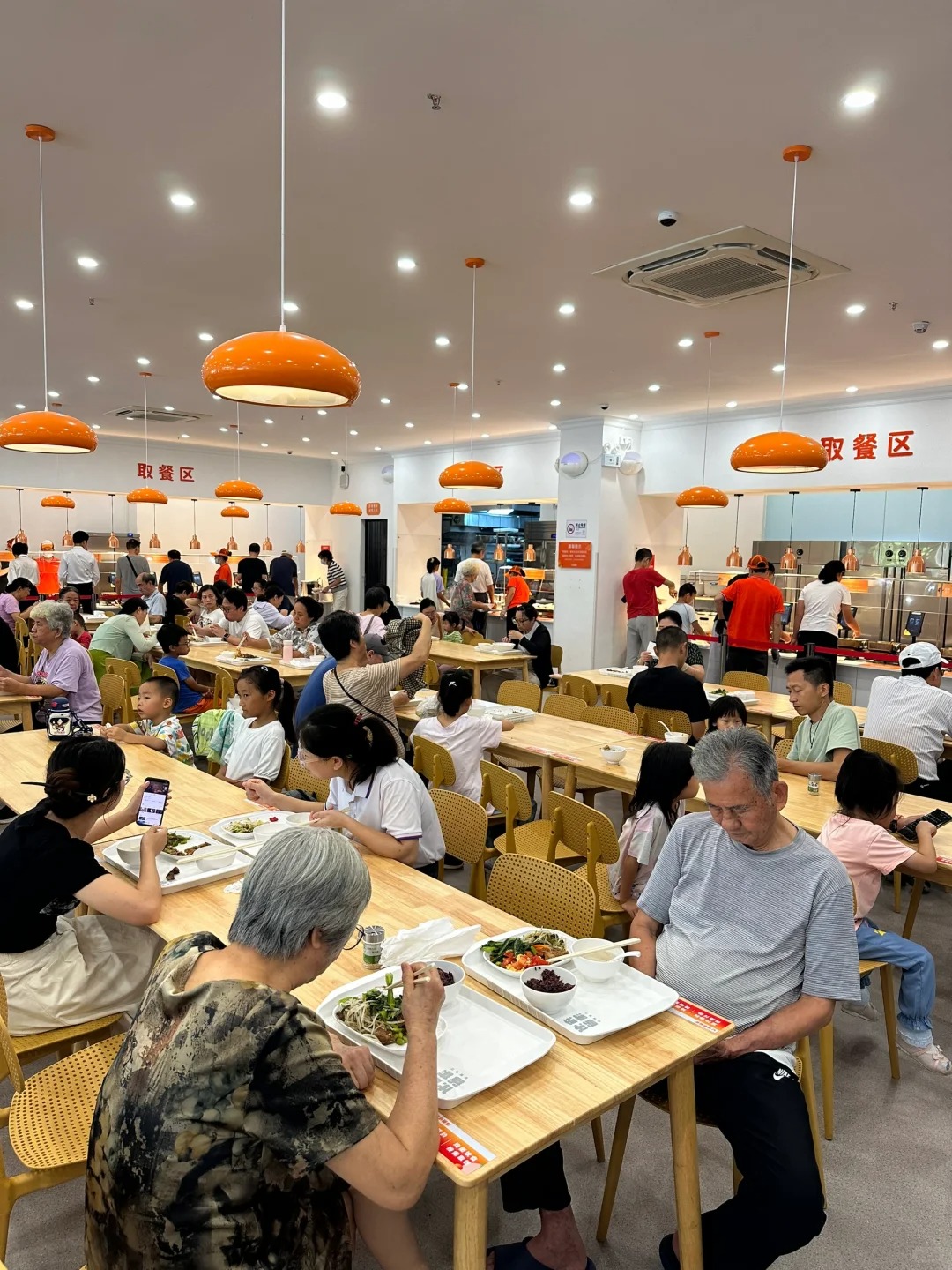
Community Canteen
Soft Bites, Strong Bonds: Shenzhen's Community Canteens for Seniors

Shenzhen's community senior canteens offer soft, healthy meals for just 13 yuan, while creating a warm social space for empty-nesters and migrant seniors to connect and belong.

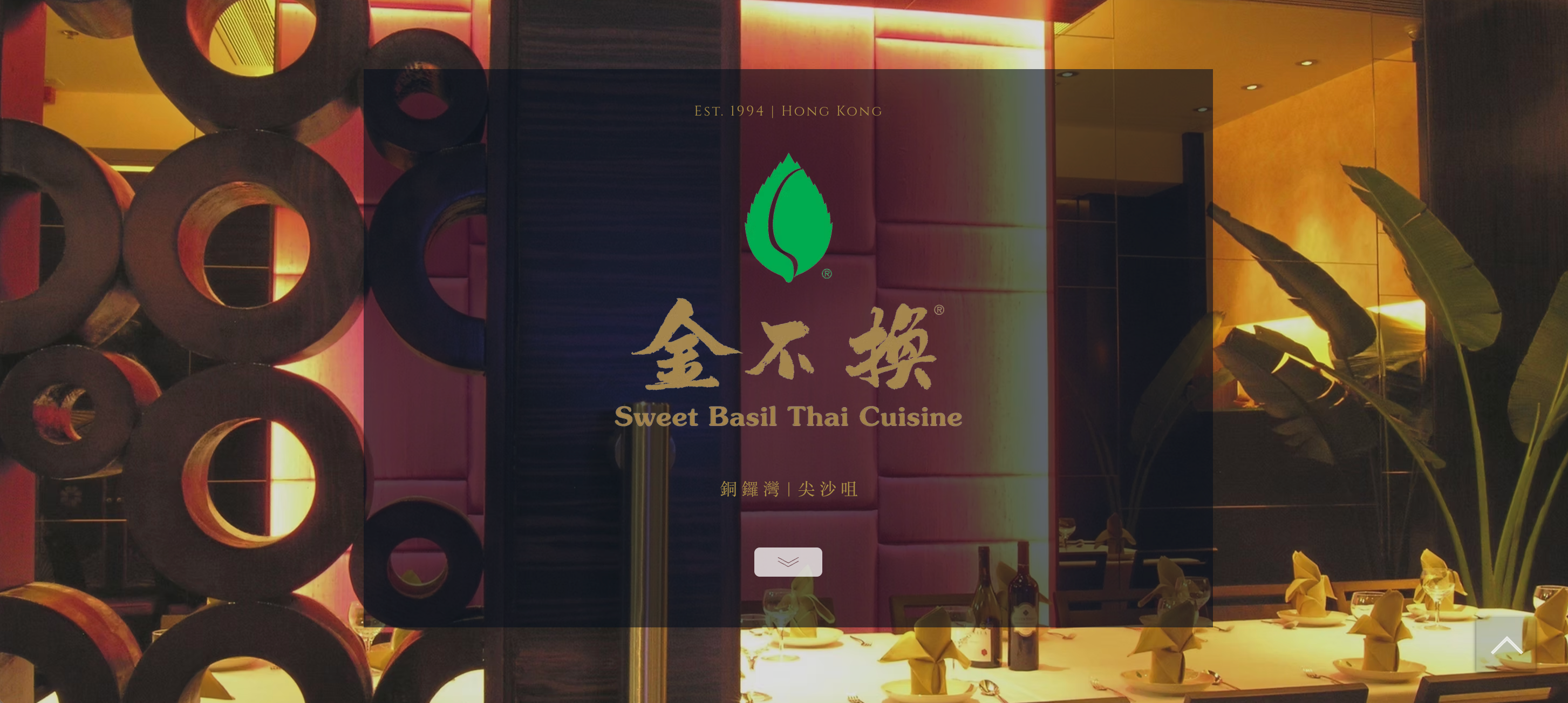
Sweet Basil Thai
Sweet Basil Thai Cuisine

A review of Sweet Basil Thai Cuisine, a long-established Thai restaurant at Harbour City, Hong Kong, offering stunning harbour views but mixed results on food quality.

Chinese Medicine Herbal Formula Helps Alleviate Depression, Anxiety, and Sleep Issues, HKBU Study Finds

TCM Herbal Formula

"For a long time, I was trapped in a cycle of sleepless nights and restless days—my mind kept racing, and my heart would pound for no reason. Then two weeks ago, I started taking the 'Jieyu Anshen Formula' from Qiren Chinese Medicine Clinic. Now, I finally feel a sense of quiet within," said Li Wei (pseudonym), a Hong Kong woman from Sha Tin. Like a growing number of Hong Kong residents, she has turned to traditional Chinese medicine (TCM) as a complementary way to ease the emotional strains of modern life. A 2025 survey from the Hong Kong Education University (EdUHK) found that 47.2% of Hong Kong residents have used TCM in the past year, a sharp rise from 26.6% in 2020.

Qiren Chinese Medicine Clinic has seen a 30% rise in patients with depression, anxiety, and sleep issues over the past six months. Dr. Zhang Furu, a registered TCM practitioner, often adapts classical formulas such as "Xiaoyao Powder" to soothe liver qi and ease irritability, or "Ganmai Dazao Tang" to nourish the heart and calm the spirit. These tailored formulas work gently, with few side effects, to relieve low mood, restlessness, and sleep issues rooted in liver qi stagnation or heart-spleen deficiency," she explained.

"The biggest change is that the feeling of my own heartbeat pounding in my ears is just gone," Li Wei said, her voice markedly calmer than during her initial consultation. "Before, my thoughts would race as soon as I lay down. Now, a wave of fatigue naturally rises, and I simply drift away."

When asked why she chose TCM over Western medicine, Li Wei explained that she had previously tried conventional treatments but grew concerned about potential side effects and dependency. "I wanted a more holistic method, which didn't just suppress symptoms, but helped my body regain its own balance from within," she noted. She now visits the clinic weekly for tailored formula adjustments and learns self-care techniques.

Since taking traditional Chinese medicine, Li Wei's lifestyle has also changed. She said, "I have started making small but meaningful adjustments to my daily life. Before going to bed, I now follow Dr. Zhang's instructions to massage the Taichong acupoint instead of scrolling on my phone. I also pay more attention to my diet, choosing warm and nutritious meals instead of quick takeouts. Traditional Chinese medicine has not only given me better sleep, but also a deeper understanding that true rehabilitation involves the medications we take and the lifestyle choices we make every day."

A 2025 Hong Kong Baptist University (HKBU) study demonstrated that TCM has the potential to play an important role in addressing depression, anxiety, and sleep Issues. Professor Bian Zhaoxiang from HKBU stressed its role as a safe and effective option for those with subthreshold depression, also helping reduce mental health stigma. Professor Zhang Zhangjin from HKU advocates blending classical TCM theory with modern psychiatry. In the clinical front, Dr. Zhang said that personalized TCM formulas work by restoring the harmony of qi, blood, yin, and Yang in the body. "When internal balance is reestablished," she said, "peaceful sleep and stable emotions will follow naturally."

More than 40% of Hong Kong's "Elderly caring for the elderly" family caregivers suffer from depression and anxiety

Elderly Caregivers

A recent study on family caregivers in Hong Kong has revealed that the mental health issues among the city's "elderly caring for the elderly" demographic require urgent attention. According to a survey released by the Hong Kong Polytechnic University in August 2025, over 40% of the 2,000 family caregivers interviewed faced mental health issues, with approximately 1,000 showing symptoms of depression and 500 exhibiting symptoms of anxiety. The survey also found that around 1,200 respondents belonged to the "elderly caring for the elderly" group, where elderly individuals care for even older or disabled family members.

Wong Kwai-kwong, now 75, is one of the many "elderly-on-elderly caregivers" in Hong Kong. He lives with his 78-year-old wife in a public housing estate in Sha Tin. His wife has been bedridden due to a stroke for twelve years. Wong's daily caregiving tasks include helping her turn over, cleaning, feeding, and more, with an average caregiving time exceeding 16 hours per day.

"At 6 a.m., I have to help her turn over. At 7:30 a.m., I give her medicine. At 9 a.m., I start massaging her," Wong Kwai-kwong said, showing the care schedule posted on his wall. Next to the schedule are the contact information for the Sha Tin Care Team and some caregiving notes.

Hong Kong charity "Suicide Prevention Services" released the findings of a survey on carer stress in April 2025. The study, conducted between October of the previous year and February of the current year, surveyed a total of 942 carers. Results showed that 37.4% of respondents were in a "high-load" state. Among these high-load carers, 40.3% simultaneously exhibited symptoms of depression or anxiety. The survey also revealed that working carers and those with excessively long weekly caregiving hours faced greater pressure and risks.

Lam Yuk-wah, the volunteer general secretary of the Gracious Love Society in Sha Tin District, said, "In the cases we encounter, many caregivers are already in their seventies or eighties and still need to care for even older spouses or disabled family members. Due to traditional beliefs, some elderly individuals are reluctant to seek external help, leading to long-term emotional suppression. I remember one time Mr. Wong had a fever but was afraid to see a doctor because he worried no one would care for his wife."

In response to this social issue, the Hong Kong Social Welfare Department announced that starting July 2025, it would establish a reporting mechanism with the Hospital Authority to ensure caregivers can provide timely assistance when those they care for are hospitalized. The "Care Team Support for the Elderly and Caregivers Program" has been extended to all 18 districts in Hong Kong, expected to cover over 60,000 families in need.

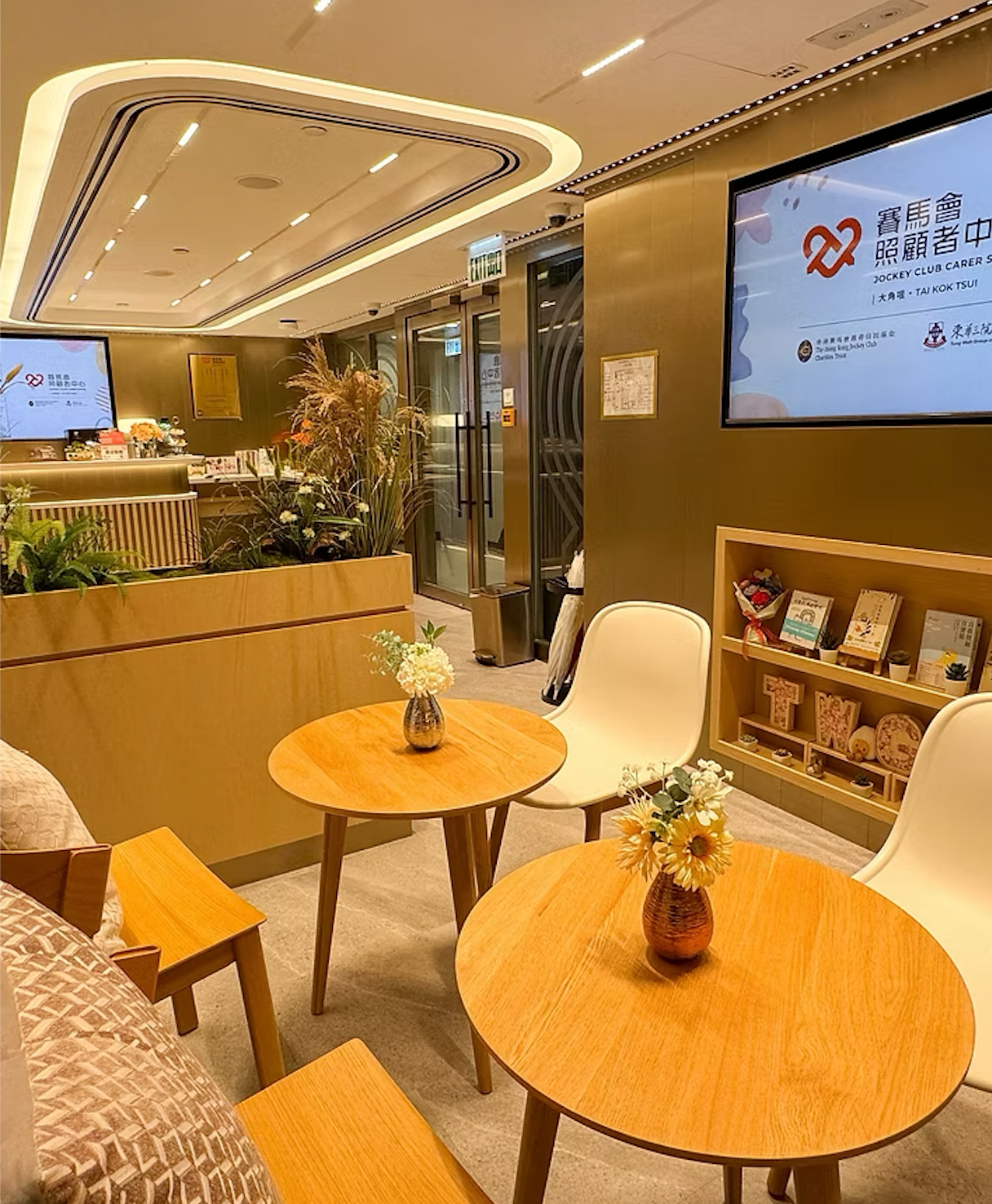
Since expanding its services in 2024, the Tai Wai Jockey Club Caregiver Support Centre has provided support to over 500 caregiver families. The services offered by the centre include up to 8 hours of respite care per week, professional nursing training, caregiver mutual support groups, and psychological counseling.

Through a referral from the Sha Tin Care Team at the end of 2024, Wong Kwai-kwong began receiving services from the Tai Wai Jockey Club Caregiver Center. The centre provided him with 4 hours of free respite care per week.

"Respite care allows caregivers to have short breaks," said Ma Hoi-yan, the program manager of the Tai Wai Jockey Club Caregiver Center. "Some caregivers leave their family members here for two hours to go out and get some fresh air, which makes them feel much better psychologically."

Now, what Mr. Wong looks forward to most each week is the home visits from the Care Team. The volunteers not only bring supplies but, more importantly, chat with him, allowing him to temporarily set down his burdens. The respite care provided by the Tai Wai Jockey Club Caregiver Support Centre has given him rare breathing space.

Tarot Cards Become an Outlet for Young People to Relieve Anxiety

Tarot Cards

"There was a period when I felt on the verge of losing control every day—until the tarot cards told me I could stop." This is how 23-year-old graduate student Xie Lu recalled her first experience with tarot cards. At 2 a.m., having just finished her seventh round of thesis revisions, she was wide awake and booked an online tarot reading with a reader on the Bilibili platform. She drew the "Reversed Chariot" card, which signifies "over control leading to loss of direction." "I cried at that moment," she said. "It was like a mirror, allowing me to see my own state clearly."

Xie Lu is one of many young people turning to tarot cards to cope with anxiety. On Bilibili, a comprehensive video platform popular among young users, the topic of "tarot" has garnered over 16 million views, with some interactive tarot reading videos reaching 3.921 million plays. Data from a zodiac-themed application shows that users aged 19 to 34 make up the largest demographic, with those aged 19 to 24 accounting for more than half of the total. A joint research report by NetEase Data and Wave Studio indicates that 62.05% of tarot card users are under the age of 30.

"The vast majority of my clients are from the post-95 and post-00 generations. They aren't superstitious; rather, they see tarot as a tool for emotional management," said Xi Xi (pseudonym), a tarot reader with three years of experience in Xi'an. "The symbolism of the cards helps young people concretize their abstract stresses. We focus on emotional comfort rather than providing direct answers, ultimately guiding users back to reality."

When asked why she didn't seek professional psychological counseling instead, Xie Lu explained, "Sometimes I already have the answer in my heart—I just need this kind of emotional service to sort through my thoughts. If I were to go for psychological counseling, it would involve things I can't even talk about with my friends or parents, the most private of secrets." She believes that confiding in a tarot reader she's never met is essentially "having a heart-to-heart conversation with herself." Compared to speaking with close friends or relatives, this approach allows her to express her true feelings more honestly.

From a psychological perspective, the popularity of tarot cards is not without theoretical basis. American psychologist Philip Zimbardo's research on time psychology suggests that divination practices like tarot can alleviate an individual's time-related anxiety by shifting their time perspective. This aligns with the compensatory control theory, which posits that when individuals feel a loss of control, they seek order and predictability to restore psychological balance.

"Tarot and astrology provide 'reasonable explanations' for setbacks through 'fortune interpretations,' such as attributing temporary difficulties to a 'Mercury retrograde period.' This approach precisely meets young people's psychological needs to cope with life's uncertainties," analyzed Zhang Kaihua, associate professor at the School of Psychology, Shandong Normal University.

Hong Kong Parents Vigilant over Baby Food Safety – Prompted by Recent Recalls

Baby Formula Safety

"When I saw the news, I was terrified and rushed to check the batch number of the milk powder at home — and it was exactly on the recall list," said Lee Sau-ching, a Hong Kong mother of a 4-month-old baby. "My hands were shaking, and chills ran down my spine at the thought of feeding my baby unsafe formula."

Recently, complaints over baby food safety in Hong Kong have surged. According to the Centre for Food Safety (CFS), 48 such complaints have been received, more than three times the number during the same period last year. Last month, Nestle announced a voluntary recall of 21 batches of its Nan Optipro infant formula for newborns to 6-month-old babies, after tests found potential substances related to Bacillus cereus in supplier raw materials.

The recall has sparked widespread concern among Hong Kong parents, shattering their long-held belief that "locally sold or imported products are inherently safe" and shifting their blind trust in baby food to greater vigilance.

"We used to think baby food safety in Hong Kong was a given, so we'd just grab the product off the shelf and pay," Lee said. "I never thought this would happen to me. I feel so sorry for my daughter. I'm an irresponsible mother."

Lee's husband is both distressed for his family and angry about buying the recalled batch. "My wife and I constantly search for the side effects of the recalled milk powder. We lie awake all night worrying, fearing it will affect our child's future physical development. What good is a refund or recall? Families who can afford imported milk powder don't care about the cost of the powder!"

Hong Kong parents' vigilance over baby food safety is not an isolated case. Lee Wai-Ling, director of the Consumer Council's Consumer Protection and Competition Department, said 72% of surveyed parents with young children now actively check the CFS safety notices before buying milk powder, and 65% no longer blindly trust imported brands.

Sam Wai-Jyut, who lives in Mong Kok, Hong Kong, and has a 3-month-old baby, said the recall has made her extra careful when shopping. "I'm a new mom with little parenting experience. We all thought buying the most expensive imported big brands would definitely be safe. Now I want to check every detail of the milk powder before I dare to buy it."

Although she did not buy the recalled batch, the incident immediately led her to develop a personal milk powder verification process. "Before, I only checked the price and production date when buying milk powder. Now I go through every word of the milk powder's ingredient source and inspection number. I won't buy it if there's even a hint of a safety risk."

At Mannings, a major chain pharmacy in Hong Kong where parents mainly buy baby milk powder, frontline sales staff have seen the shift firsthand. Helen Chow, a milk powder promoter who has worked at Mannings for three years, said that parents' focus when buying products has changed significantly, and overall safety awareness has risen sharply.

"After the Nestle milk powder recall, we've been swamped — handling recall refunds and answering all kinds of questions from parents," Helen said, pointing to a CFS safety notice posted next to the shelves. "Before, most parents only asked about age suitability and discounts. Now almost every parent who comes to buy milk powder first asks if the product is on the CFS recall list and if it's safe enough."

Wong Ka-Man, who lives in Sha Tin, Hong Kong, is a mother of two with extensive parenting experience. She recently set up a baby food safety sharing group. "Several moms in our neighborhood forward baby food-related information to the group when they see it. Reminding each other makes us feel more secure. Our only goal is to let our babies grow up healthy."

The Hong Kong government is taking targeted regulatory measures to ensure baby food safety. The CFS has launched a dedicated website on infant formula safety and significantly increased the frequency and scope of milk powder inspections. Since January this year, it has collected 171 infant formula samples from the market for comprehensive microbial and chemical testing. For problematic samples, the CFS is following up on investigations and will initiate prosecution proceedings in accordance with the law if sufficient evidence is found.

In addition, the CFS uses a food incident monitoring system to track global infant milk powder safety incidents in real time. If a product recall is announced overseas, it immediately checks whether related products have been imported into Hong Kong, ensuring problematic products are removed from shelves in a timely manner and prevented from entering the market.

Dr. Chan Wing-kit, a food safety officer at the CFS, said the center will continue to closely monitor the infant formula market, continue to strengthen inspections, maintain close communication with importers and retailers, require companies to implement product traceability responsibilities, and fully safeguard the food safety of infants and young children in Hong Kong.

"I have HK$4,700 in my bank account": Elderly Women in Hong Kong Are Poorer Due to Systemic Gender Inequality

Elderly Women Poverty

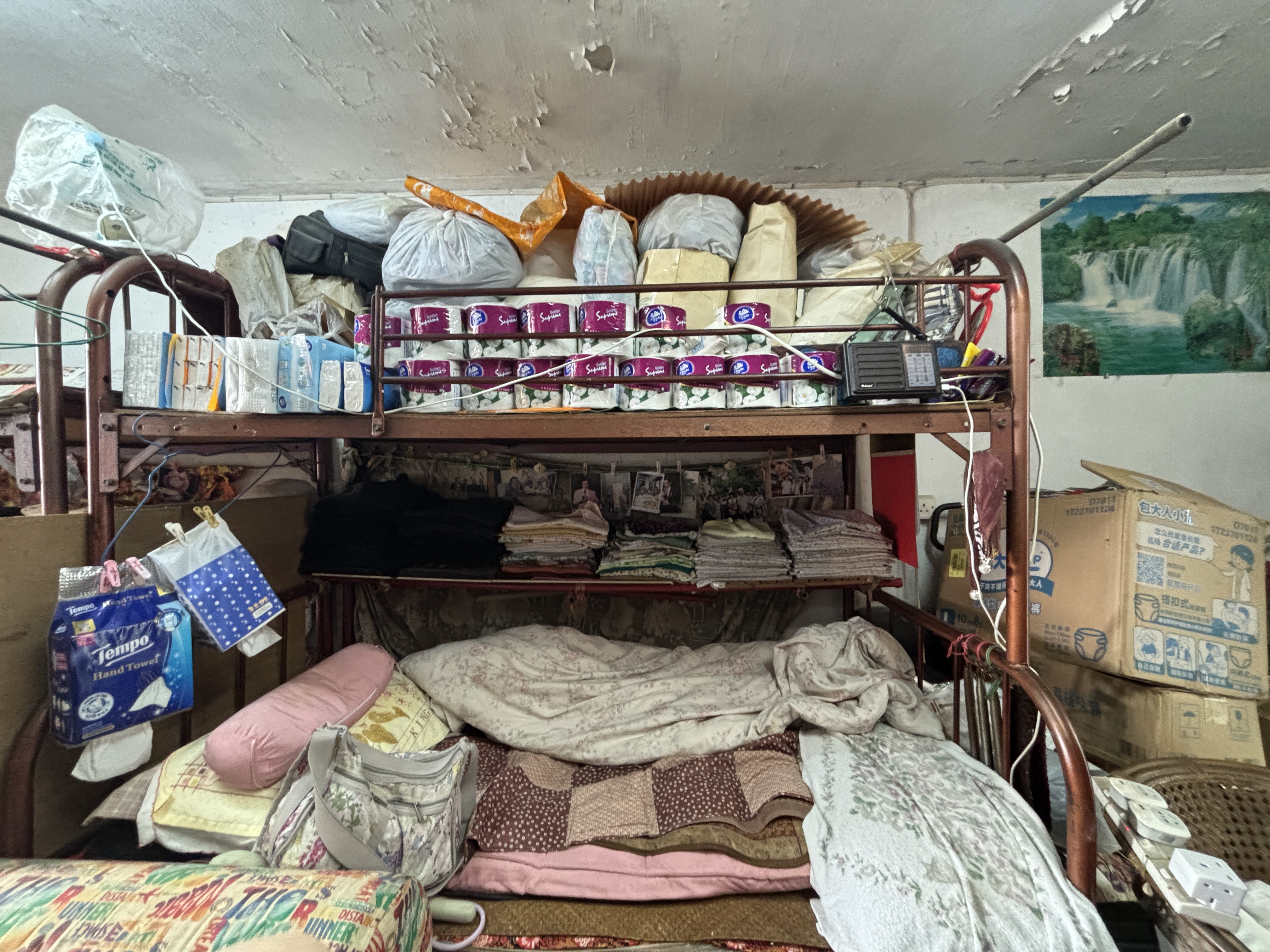
"I couldn't save anything," Yuen Ying-ha said. She sits on the lower bunk of a shaky iron bed, with a faded white cloth bag placed beside the pillow. She is 93 years old. She survives on Comprehensive Social Security Assistance (CSSA). She has HK$4,700 left in her bank account.

Yuen is one of the tens of thousands of elderly women in Hong Kong who rely on CSSA to make a living. According to the data from the Hong Kong Social Welfare Department (SWD) for 2025, among all the elderly recipients of welfare assistance in Hong Kong, the proportion of elderly women aged 65 and above is as high as 72.3%, far exceeding the 27.7% for men. Seven of every 10 retired elderly women rely only on the government's monthly payment to live.

Yuen began working at age 8, watching cattle in rural Shunde, Guangdong province. When she was twelve, her mother sent her to a couple who ran a tea house during the war. Studying never became something she considered. She got married at the age of 21 and lost her husband at 34. She raised five daughters all by herself. From a food factory to a restaurant, she kept working until she was 69 years old, finishing work at midnight each night. When all the years of hard work came to an end, all the income was spent on raising children and supporting the family, and she found that she had nothing left. "The money was all divided among the children," she said.

Yuen's story is not rare in Hong Kong. Due to the long-term impact of systemic gender inequality, many elderly women in Hong Kong have spent their entire lives working but have no savings. Their later years have been even more poorer due to the lack of education, the responsibilities of family, and the constraints of the social structure.

Most elderly women who have retired rely solely on CSSA to sustain their basic livelihoods and their living standards are lower than those of the overall retired population in Hong Kong. According to the data released by the SWD for the 2024-25 fiscal year, 65 and older women made up more than 60% of CSSA recipients and received an average monthly benefit of only HK$4,890, which is far below the average monthly basic living expenses standard for retired individuals in Hong Kong (approximately HK$8,500).

These elderly women who rely on social assistance are mostly those who worked diligently until retirement because they were never officially included in any welfare system. The rapid economic growth of Hong Kong in the 1960s and 1970s was largely dependent on female labor. Thousands of women left the countryside and entered factories. They worked long hours in garment, toy and electronics factories, often earning low piece-rate wages with little security or benefits. When the mandatory provident fund was finally introduced in 2000, it was too late for most of them. After decades of hard work, coupled with frequent interruptions to their careers due to child care, many had almost no retirement savings.

According to a 2024 survey by the Hong Kong Young Women's Christian Association, unpaid caregiving work also continues to burden many women even in old age. The survey of 930 women aged 50 to 70 found that half were still caring for family members — their husbands, parents or grown children. On average, they spent nearly six hours a day on caregiving. More than 30 percent said the burden was too heavy, and many stated that they were under great pressure. Only 38.3 percent had retirement savings. More than half stated that their savings were insufficient to sustain their lives, and 40.1% said that their living standards had declined after leaving their jobs. For those women who dedicated their working lives to factories and gave all their savings to their children, old age does not mean ease, which represents another form of unpaid work.

Leung Leung-yee, 90, a CSSA recipient, worked at Changjiang Toy Factory for more than 30 years. When she retired, she had saved a small amount of money, which was quite rare among her peers who had no savings at all. That little savings is now gone, used to support her children, a lifelong expectation for women of her generation. "Most of my spending goes to helping my son," Leung said. Her younger son is already in his sixties and due to health issues with his feet, he can only occasionally do cleaning work as a casual laborer, and his income is unstable. This mother is nearly deaf but will not consider buying a hearing aid at all. Instead, she took a portion of her social assistance funds and gave it to her divorced and unemployed younger son. Her daughter often came to visit and wanted to take her out for dim sum, but she always refused. "I think dim sum is too expensive," she said. The long-term frugality had made her even cut off her own appetite.

According to a 2021 study conducted by Lingnan University in Hong Kong on intergenerational economic support among Hong Kong families, even in their later years, Hong Kong women continue to subsidize their adult children's housing and living expenses. This kind of intergenerational transfer further depletes their already limited pension reserves. The study points out that in Hong Kong families, mothers play a significantly higher role in providing financial support for their children. The long-term gender roles have led women to habitually prioritize their personal financial needs over those of the family, ultimately increasing the risk of poverty in old age.

Lam Yuk-wah, a district councilor of Shatian District who also serves as the leader of the care team, noticed that among the elderly who came to receive free meals and meal boxes, 99% were women. She said that the preference for sons over daughters has led to a lack of educational opportunities for girls, which is one of the reasons why they have been trapped in poverty for a long time. According to relevant government data, among the elderly over 60 years old, the illiteracy rate for women 60 and older is nearly three times that of men the same age. "In the past, if one had the means to go to school, it was always the boys who got the chance," Lam said. Daughters had to take care of the family. No one taught them about managing money. Every penny they earned as young adults was given to the family. There was no concept of setting anything aside for their own future.

Leung Hei, 93, a CSSA recipient, lives with her daughter. On the narrow room wall hangs a yellowed and old certificate, which was her appointment certificate as a committee member of the building's mutual aid association when she was young. She often helped her neighbors buy tickets and handled the money collection and change giving with toothpicks as her accounting tool: one toothpick represented one person, and the scratches on the toothpicks indicated who had paid and who still hadn't. A woman who had never learned mathematics invented her own accounting system for herself. "That's the intelligence of women," Lam said. "But they have no chance to learn, and this is the biggest reason for women's poverty."

Longer life does not mean easier life. According to the health data report from the Hong Kong Department of Health in 2025, the average life expectancy of women in Hong Kong is as high as 88.4 years, which is 5.6 years longer than that of men. This means that women will have to spend more on medical expenses, and the impact of poverty will be further magnified. Even though senior citizens aged 75 or above in Hong Kong can receive medical fee exemptions in public clinics or hospitals in Hong Kong, the waiting times are very long. According to the 2024 annual statistics of the Hong Kong Hospital Authority, for some common specialties in public hospitals, such as orthopedics and ophthalmology, the waiting time can even exceed 24 weeks. Even for some urgent symptoms, the waiting time is about 8 weeks. "I don't like going to public hospitals," Leung Hei said. "When you're sick, you don't want to wait that long. It's very hard." Private clinics are quicker but costly, making it impossible for poor elderly women to afford it. The government gives adults 65 and older an annual HK$2,000 voucher for private medical care. A few weeks ago, Leung used her full yearly voucher on one skin appointment.

Senator Lam has worked in the housing estates of Sha Tin for many years. During countless home visits by the care team, she has witnessed too many cases of elderly women. Every penny they earned when they were young was given to the housing estate, but now they only have a little CSSA payment from government left. She said that the current generation of women is the last one to suffer from this kind of systematic deprivation. More importantly, the next generation of women has already begun to change. Education on money management still needs to be strengthened. It is necessary to pay attention to one's own education and personal development, and to understand that it is necessary to set aside provisions for one's later years. Their daughters have more opportunities but need to understand how to allocate and distinguish between what should be bought and what one wants to buy.

During her time as chair of the Sha Tin Women's Association, Lam also discovered that the current policies in Hong Kong did not adequately distinguish between the needs of men and women. The time that women spent on raising children and providing unpaid care was never included in any guarantee strategy. She put forward two specific suggestions: One is to improve the living environment and provide government-funded home purchases for families willing to have children, thereby alleviating the pressure on women to balance work and family life; Another is for women's physical examinations. She suggested offering a free comprehensive physical examination to each woman before marriage or before childbirth. They are promoting the establishment of specialized women's health centers to cover the health examination needs of women during different life stages such as after the age of 18, during pregnancy, and during menopause, ensuring that women's health is fully protected. Lam said that when women are healthy, many problems will be resolved automatically. She compared it to the situation where a men's restroom only needs three stalls, but a women's restroom requires four because the physiological structure is different. Simply speaking equality sometimes cannot solve the problem, the targeted handling is necessary.

"I have HK$4,700 in my bank account," Yuen Ying-ha said. This was the entire savings accumulated over a lifetime for a woman in Hong Kong.

From Taboo to Talk: China's Shifting Attitudes Toward Menstruation

Menstruation Exhibition

"This is the first time I have spoken openly about my period in a public space," said 24-year-old Zhu Wen as she visited the "100% Women" menstruation exhibition in Guangzhou. Growing up in a traditional and conservative family in Fujian, she was taught from a young age that menstrual blood is unclean and that having a period is shameful. She was once banned from joining family rituals simply because she was menstruating.

Menstrual blood, once seen as dirty, is now turned into paintings and embroidered art pieces. This change is not only a breakthrough in artistic expression. It also shows that Chinese society's view of menstruation is shifting from avoiding the topic out of shame to open public discussion.

In China, menstruation has long been seen as a private and embarrassing topic. According to a 2025 survey by China Women's News and the China Maternal and Child Health Association, more than 68 percent of Chinese women have felt shame because of menstruation, and nearly 60 percent still hide sanitary pads on purpose in public. A separate survey of university students in Taiyuan and Jinzhong that same year found that nearly six out of ten young women used dark bags to cover period products when buying them. Period shame has become a common experience for most women.

This deep-rooted social taboo is slowly being broken by more open public discussion. In 2016, swimmer Fu Yuanhui spoke about her period in front of cameras during the Olympics. Many saw it as a breakthrough in sports and it helped start wider talks in society. In March 2026, a woman on a high-speed train suddenly got her period and stained the bed sheet. She was asked to clean it or pay 180 yuan. She called for sanitary pads to be sold on trains. Her post received strong support online and sparked fresh discussion about period shame.

In recent years, public art exhibitions about menstruation have appeared in many parts of the country. They are moving the topic from private life into public view. Since 2024, 27-year-old curator Yiting has taken the "100% Women" exhibition to ten cities including Wuhan and Qingdao. Visitors embroider personal stories on expired sanitary pads, step inside a pink "uterus" booth, and read simple information about period pain, premenstrual syndrome and menopause. Similar exhibitions, such as "Tide and Flow: A Better Period Experience" in Shanghai, have also drawn large crowds and helped bring the topic into everyday public talk.

Curator Yi said young women are now refusing the silence and hiding that their mothers' generation accepted. "This gentle form of art is easier for people to accept," she said. "It helps women face their bodies and build a new, more open and comfortable attitude toward menstruation."

For a long time, menstruation education in China has mainly come from mothers rather than schools, with more than 88 percent of girls learning about it at home. Today, the gap in school education is being filled. Self-organized activities on university campuses are growing fast. Chengdu University held the "Praise for Red" sanitary-pad art exhibition, which showed nearly 130 student paintings and installations. More than 400 people visited online and in person. In 2020, Shanghai Ocean University started the "Breaking the Cocoon" project. It placed sanitary-pad mutual-aid boxes in ten busy bathroom areas on campus. Each month, the boxes provide more than 250 emergency pads.

Men are also beginning to face the topic because of these public discussions. Twenty-six-year-old Guangzhou office worker Chen Yu visited the exhibition with his girlfriend. "Before, I always thought menstruation was only a women's issue and never tried to learn about it," he said. "After the visit, I learned that the pain many women feel during their period is as strong as childbirth. Men may not experience it themselves, but we should drop our old ideas and give more understanding and care to the women around us."

In traditional society, men were not expected or encouraged to know about periods. A 2024 study on Chinese men's attitudes toward menstruation found that growing ideas of gender equality are pushing men to change how they see and treat women during their periods. As public talk about menstruation becomes more open and removes the shame, men's understanding of it is becoming fuller and more balanced.

"These art projects and citizen actions in China are important because they are changing social norms," said Prof. Zhang Ying from the Department of Women's Studies at China Women's University. "Menstrual shame comes from power structures and society's control over women's bodies. Cultural change is the first step toward real change in rules and policies."

Invisible Son Preference: Urban Daughters Denied Equal Inheritance of Parental Real Estate

Invisible Son Preference

Wu Huili, a 24-year-old native of Suzhou, Jiangsu, was having dinner with her family. Her mother told her in a gentle yet firm tone that the family's two apartments would be reserved for her younger brother's marriage, because she would be cared for by her husband's family after getting married. Wu paused mid-meal, making no response.

Son preference in urban families is no longer outright harsh treatment, but an invisible bias hidden beneath daily affection. Influenced by the traditional concept of carrying on the family line in Chinese culture, parents shower their daughters with care in daily life yet show an absolute bias toward sons when it comes to the distribution of core real estate assets.

Wu lives with her parents and her younger brother, who is in his first year of senior high school. She said that her parents have always shown her great affection in daily life and that she has never suffered material neglect since childhood. That was until last year, when she asked her parents for financial support to buy a house and was flatly refused. In the distribution of core assets in a traditional Chinese family, she felt her personal worth was undervalued simply because she is a daughter.

"I'm not fighting for the property. I just don't understand. Am I not entitled to equal inheritance rights merely because I'm a daughter?" Wu said. For urban daughters, the pursuit of equality in real estate inheritance is essentially a quest for fairness, not a desire for wealth.

According to the 2025 China Family Development Report released by the National Health Commission, 70.2% of urban parents provide a down payment for their sons' wedding homes, compared with only 13.1% for their daughters. The All-China Women's Federation noted in a concurrent report that urban women hold real estate at a rate 29.8 percentage points lower than urban men. These figures confirm that even in cities that advocate gender equality, daughters remain at a disadvantage in real estate inheritance.

Such gender inequality in real estate inheritance is even more pronounced in families with only daughters. Ma Ziru, a 29-year-old only daughter in Wuhan, Hubei Province, whose parents own several apartments, always assumed she would be the heir to the properties. That was until her father was hospitalized, and she learned from relatives that her parents planned to leave the majority of their real estate to her cousin.

Ma immediately verified the matter with her parents, and the reply she received was unbearable to accept. Her parents said the property would eventually belong to her husband's family after she marries, and her cousin, as the male heir of the family, should inherit the property. "This is absolutely ridiculous," Ma said. She has always had a close relationship with her parents, yet she means less to them than a cousin.

Most parents do not see their actions as gender bias, they believe they are acting in their children's best interests. Wu Jianguo, Wu's father, said earnestly that he and his wife do not favor sons over daughters and love their daughter just as much. However, young men cannot get married without a house in today's society, so the family's real estate must be left to their son. In his view, passing family assets to sons is an age-old custom, not a form of gender discrimination.

Invisible son preference in cities persists because it is a combination of the traditional notion of carrying on the family line and modern anxiety about old-age care. Gu Yinghui, Executive Deputy Director of the Women's Development Research Center at Suzhou University, explained: "Many urban parents are still influenced by patriarchal notions, viewing sons as the core of family continuation. They also deeply link old-age care responsibilities to their sons, leading to a clear bias in property distribution."

Such entrenched notions have left daughters caught in this dilemma feeling helpless. "I don't even know how to talk to them about this anymore," Wu said, holding a water glass, her voice filled with confusion.

Soft Bites, Strong Bonds: Shenzhen's Community Canteens for Seniors

Community Canteen

At 11:30 a.m., the canteen at Cuizhu Street Senior Service Center in Luohu District fills with warm, mixed smells: fresh steamed fish, thick braised tofu, and light, blanched green vegetables. In front of the serving window, gray-haired seniors line up quietly with trays, the clink of stainless steel plates sounding soft and clear.

Li Xia, 78, leans forward slightly and picks carefully from several gentle, steaming soft dishes. A standard lunch here costs 18 yuan for three dishes and one soup, chosen from six daily fresh options. With Shenzhen's senior meal subsidy, Li only needs to tap her card and pay 13 yuan for a full, warm, nutritious meal.

"Cooking alone at home used to be tiring and lonely," Li said, sitting down with her tray. "Now the food here is safe and tasty, and I can chat with friends while I eat. It's really lively."

Shenzhen's community senior canteens are no longer just places to fill stomachs. They are a creative space for age-friendly soft food and an emotional home for older residents. With low-oil, low-salt, and tender dishes, the canteens fit the physical needs of seniors with weaker chewing and digestion. Warm, home-style meals also build close emotional bonds: local empty-nesters find company, and migrant seniors feel they belong in their new city.

This canteen serves two main groups: more than 20 seniors living long-term in the senior apartment and nearby community residents with official permits. Sometimes students and office workers nearby also join the seniors for the affordable, clean food. The kitchen uses only steaming, stewing, and braising — gentle cooking methods for seniors. Several large steamers work from early morning to make sure every dish is fresh and soft.

Chen Xiulian, 76, was born and raised in Shenzhen and lives alone after her husband died. With bad teeth, she comes to the canteen almost every weekday and sits in her usual window seat. "Eating here is so easy," Chen said. "The dishes are soft, not salty or oily, and good for my health." She lifted a piece of tender steamed sole easily with her chopsticks; the fish was so soft it slipped down her throat with almost no chewing.

Yang Mingfan, 82, sitting next to Chen, felt the same. He spooned some soft braised wax gourd and said: "Eating at home alone is quiet and sad. Here we talk about old days and our grandchildren. It's warm and busy, and new people become friends quickly." A senior from another table came over with a tea cup, and Yang moved over quietly to make space.

Zhang Weiqiang, 45, head chef of the canteen, stood by the half-open kitchen window and watched the busy dining room. He said his team changes all dishes to fit seniors: less oil and salt, no frying, and softer vegetables. These small changes help seniors with high blood pressure, diabetes and other long-term illnesses. "We don't just make food to eat," Zhang said. "We make food that lets seniors eat safely and peacefully."

Not far from Cuizhu, Lixin Community Senior Canteen in Dongmen Street is just as lively. Before 11 a.m. every day, seniors arrive with cloth bags and walking sticks. Many of them are migrant seniors who moved to Shenzhen to live with their children.

The canteen changes home-style dishes to fit different hometown tastes while making every bite soft and easy to chew. During traditional festivals, workers make light, healthy festival food: low-sugar Cantonese mooncakes and soft glutinous rice dumplings. These small treats let seniors enjoy festival traditions in a healthy way.

Wang Guixiang, 72, came to Shenzhen from Hunan three years ago. Her son's family likes light Cantonese food with little spice, and her loose teeth cannot handle hard meat. "I missed Hunan braised pork so much," Wang said. "I ate it every week back home, but I couldn't have it here until now. The chef cooks it very soft and easy to chew. It's not very spicy, but the meat taste is just like home." She lifted a shaking piece of red braised pork with her chopsticks.

Even better, Wang met three other women from Hunan here. Every lunchtime, the four sit together. They talk over soft steamed spareribs, braised eggplant and wax gourd soup — about expensive hometown vegetables in Shenzhen markets, and when to smoke cured meat back home.

"At first I just came for cheap food," Wang said. "Now this is my favorite social time every day. We talk about small things: market prices, grandchildren's homework, weather back home. These talks make me feel connected and not lonely."

The strong system of Shenzhen's senior canteens depends on government support. According to the Citywide Senior Meal Service Construction Report released by the Shenzhen Municipal Bureau of Civil Affairs in 2025, the city had built 266 standardized senior canteens and meal service spots by June 2025. In 2024, the service provided more than 127,000 meals and helped 200,000 seniors with financial subsidies.

The subsidy rules follow the Shenzhen Elderly Meal Subsidy Implementation Rules revised in 2024: Shenzhen registered seniors aged 70 to 99 get up to 5 yuan per meal; registered low-income, disabled and bereaved seniors aged 60 and above get up to 15 yuan per meal. Seniors can apply easily with their ID card and household registration book at their community office. The government also gives about 2 yuan per meal to support canteen operations.

In fast-paced Shenzhen, many adult children work long hours, leaving seniors at risk of loneliness and poor nutrition. Senior canteens offer more than soft, healthy food — they offer a warm, social space. All canteens follow the Nutrition Meals Guideline for the Elderly, a local Shenzhen standard that took effect in February 2025. Some canteens also invite nutritionists to help design meals for seniors with long-term illnesses.

Although some problems remain — such as uneven coverage and trouble for some seniors to apply for subsidies — Shenzhen is improving its services. Lin Ruifan, 42, Member of the Party Working Committee and Director of the Public Service Office of Dongmen Subdistrict, said the city is working to expand and improve the system. "We are building smart dining platforms and testing cross-district subsidies. We want to bring elderly care services to the last mile."

Sweet Basil Thai Cuisine

Sweet Basil Thai

I have little exposure to Thai cuisine in daily life, so I specifically chose Sweet Basil Thai Cuisine, a long-established Thai restaurant founded in 1994 at Harbour City in Hong Kong, for my first formal taste of authentic Thai food. Nestled on the second floor of Ocean Terminal, this restaurant is quite popular in Tsim Sha Tsui thanks to its authentic Thai decor and stunning views of Victoria Harbour. That said, my dining experience here left me feeling a touch disappointed overall.

Stepping into the restaurant, I was immediately enveloped in a strong exotic Thai atmosphere. The interior is exquisitely and luxuriously decorated, adorned with Thai ornaments everywhere and traditional patterns on the walls, standing distinctly apart from minimalist-style Thai eateries. The space is well laid out: window-side seats offer an unobstructed view of Victoria Harbour, and there are large private rooms available, perfect for gatherings with friends or business dinners. The waitstaff are dressed in uniform, gentle in manner and soft-spoken, and they are extremely prompt at changing plates and refilling water. A 10% service charge is applied at the restaurant, and coupons are provided upon checkout—a thoughtful little detail.

We both ordered the lunch set meal, which includes one appetizer, one main course and one drink per person, with clear labels on the menu for each option. The highlight of the meal was undoubtedly the Iced Longan Drink. It contains about seven shelled longans with plump, firm flesh; on the palate, it is sweet but not cloying, with a natural fruity aroma, and also boasts nourishing properties. Its icy, smooth texture awakens the taste buds in an instant, making it an ideal pre-meal drink. The Iced Thai Milk Tea was also a pleasant surprise: free from the usual cloying sweetness, it has a mild, delicate flavor, with milkiness and the distinct aroma of hand-labeled black tea blending harmoniously. The tea flavor is rich and mellow, offering a refreshing, non-sugary taste. Fried Flat Noodles with Soy Sauce (Pork) is another standout dish. The flat noodles are stir-fried to a glossy, non-sticky finish with a satisfying chewy texture, and the pork slices are tender and well-infused with sauce. Stir-fried together with eggs, celery and green vegetables, it has a rich wok hei and an enticing aroma. The only minor flaw lies in the side vegetables: the green vegetables are crisp and tender but carry a slight bitter note, and the carrots, cut into an elegant lace pattern for a refined look, lack flavor infusion, which is a pity.

The biggest letdown of the meal was the Fried Rice with Seafood and Pineapple. I had high expectations for this classic Thai dish, yet it fell far short of what I anticipated. Served in a half pineapple whose flesh was dry and withered, the fruit was clearly not fresh, having been stored for too long. The squid was pleasantly chewy, but the crab sticks were mushy and fell apart at the slightest touch, completely devoid of flavor. The corn, green peas and carrots in the fried rice had a stiff, raw texture, presumably frozen ingredients that were stir-fried without being fully thawed. Furthermore, the fried rice was overpowered by a strong pepper taste, which masked the umami of the seafood and the natural sweetness of the pineapple. Instead of a harmonious fusion of flavors, it felt like a haphazard mix of ingredients simply tossed together in a pan. Pineapple contains bromelain, an enzyme that tenderizes meat, yet I detected no hint of the subtle, blended texture between the pineapple and the meat in this dish whatsoever.

Deep Fried Crunchy Chicken Bones was a solid hit: crispy on the outside and tender on the inside, the chicken bones were crunchy but not hard on the teeth. The delicate fragrance of perilla leaves cut through the greasiness of the fried dish, and the sweet and spicy sauce added rich layers of flavor, making it more delicious with every bite. In stark contrast, the Deep Fried Shrimp Cakes were underwhelming. The shrimp paste had been over-whisked, robbing the cakes of the springy, chewy texture fresh shrimp should bring, leaving them loose and crumbly. Even paired with plum sauce, they failed to redeem their lackluster flavor.

All in all, this long-established Thai restaurant with nearly 30 years of history has distinct strengths and weaknesses. Its top-notch service, immersive Thai-themed ambiance, prime location with Victoria Harbour views, and a few standout dishes make it worth a casual visit for the experience. However, the restaurant also has notable shortcomings: some ingredients lack freshness, the flavor combinations are disjointed, and the a la carte prices are on the steep side.

Sweet Basil Thai cuisine Information:
Website: https://www.sweetbasilthai.hk/
Hong Kong Phone: (852) 2730 1963
Business Hours: 11:30 - 23:00 daily
Ambiance and accessibility: No
Atmosphere: Exquisite and serene, with rich Thai ambiance
Payment Methods: Cash, Octopus Card, Visa, Master, AE, UnionPay
Price Range: HK$150-250 per person
Takeaway: Available
Stars: Two Stars
Highly Recommended: Fried Flat Noodles with Soy Sauce (Pork), Iced Longan Drink

Photography Portfolio

Don't shoot what it looks like, shoot what it feels like

Film Portfolio

The truth sets us free, brings us closer

Gabangel

Not Just Cards! Gabangel Crafts HK's Spirit Into Playful Wonder

A portrait of a Hong Kong‑born creative card shop that reimagines playing cards as a vibrant canvas for local heritage and contemporary culture, blending tradition with modern aesthetics.

2025.12.03 · Hong Kong
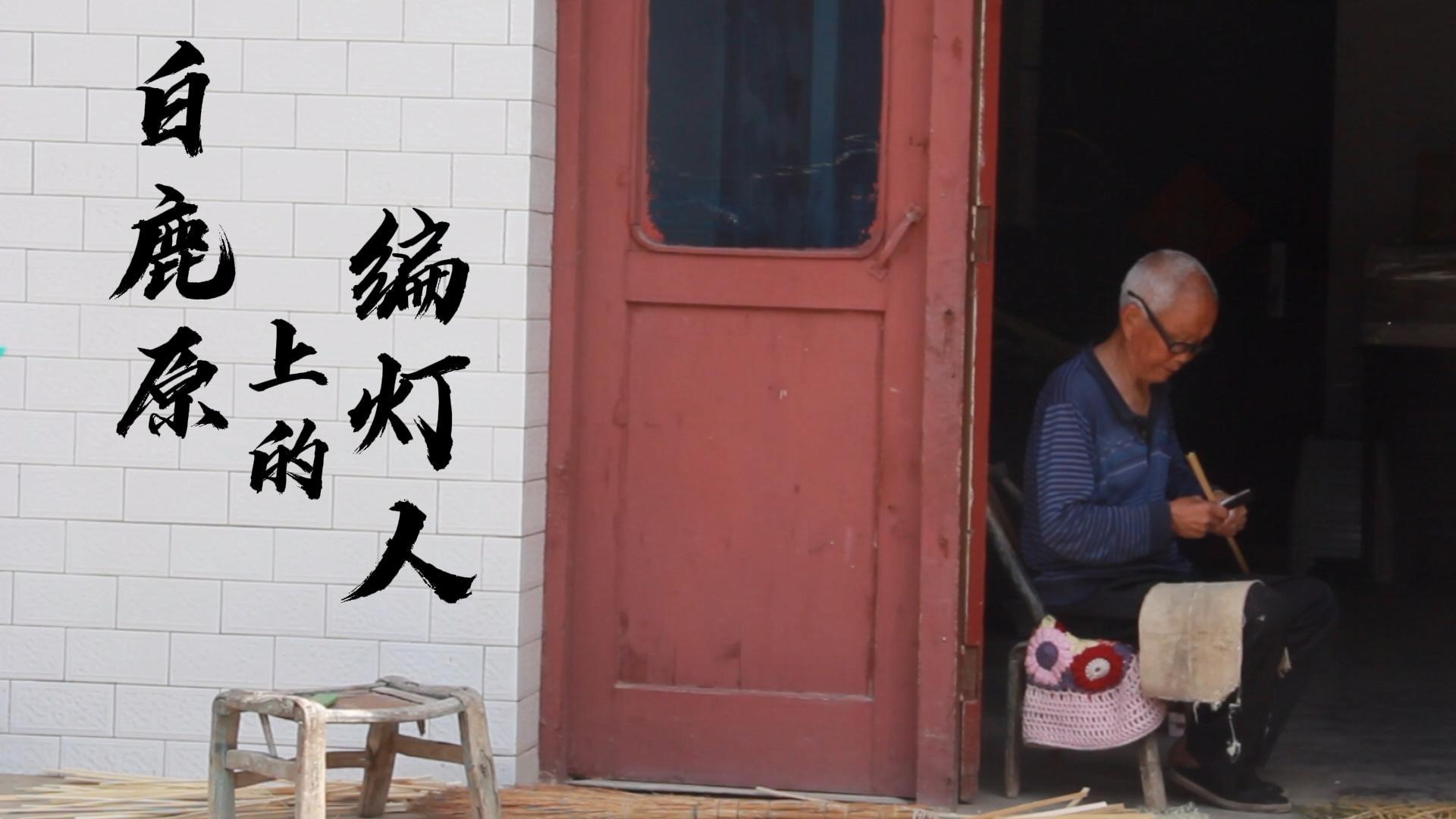
白鹿原上的编灯人

The Lantern Weaver of Bailu Plateau

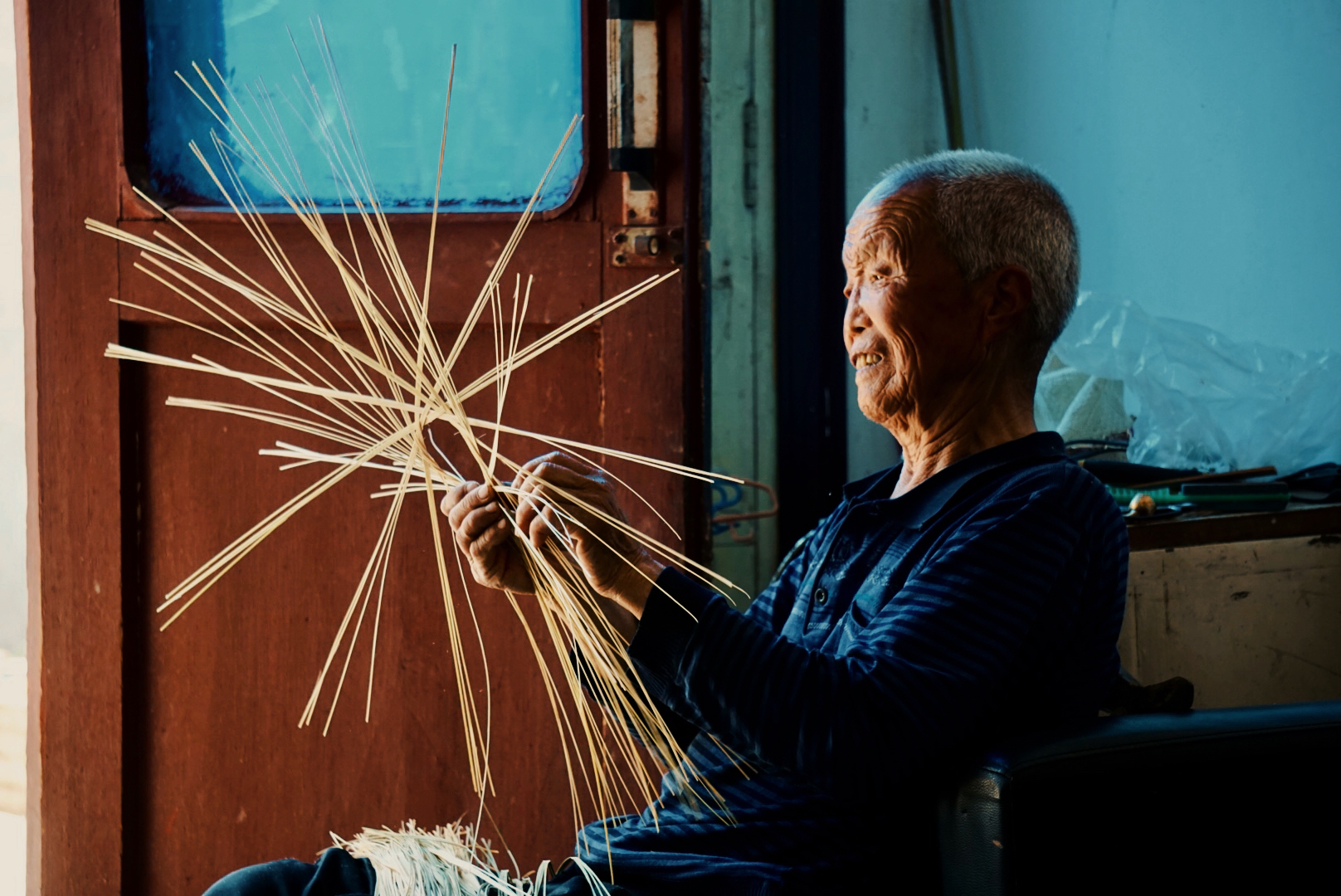
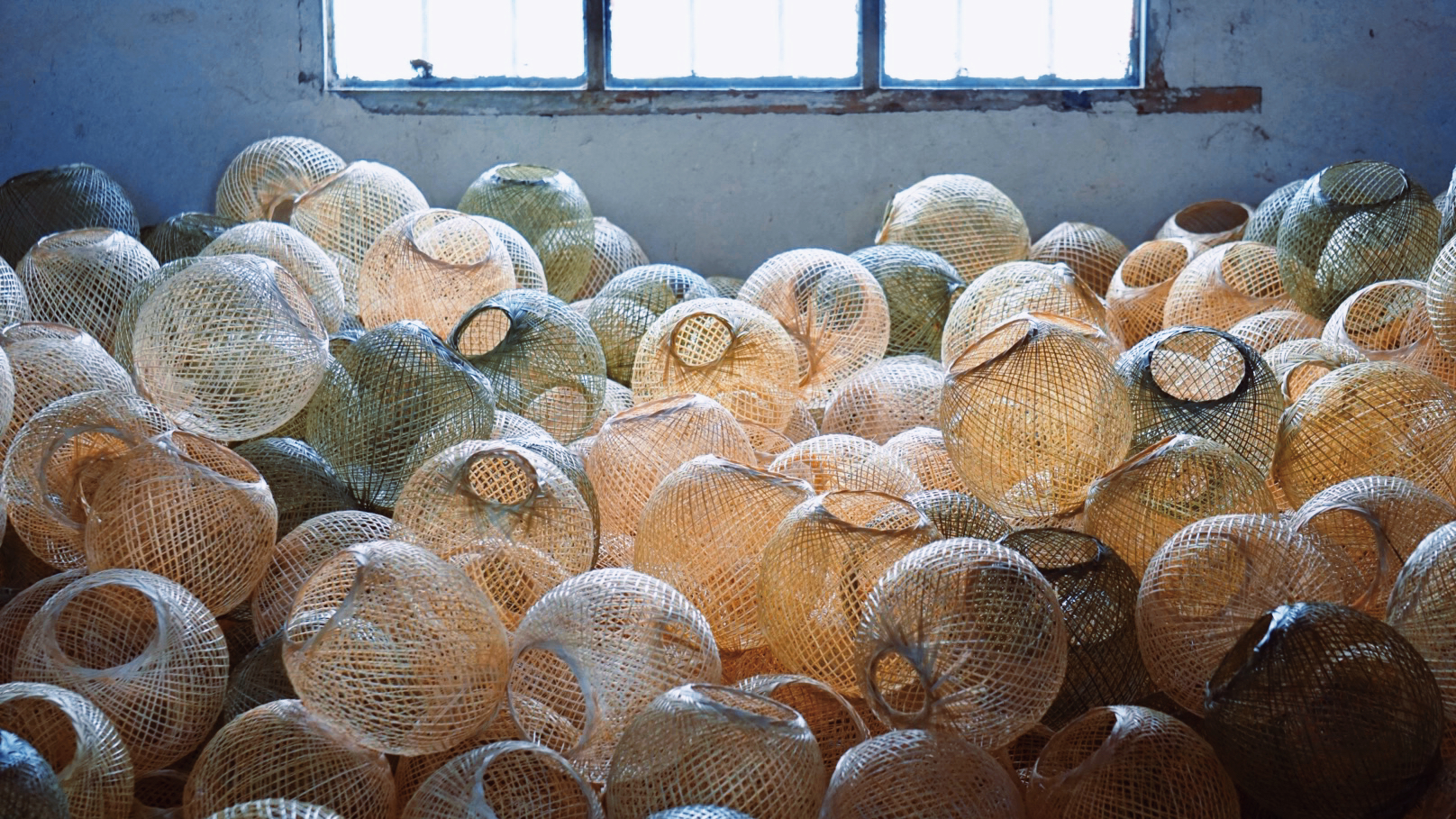
An intimate documentary following Wang Xuekun, a bearer of intangible cultural heritage, as he preserves the ancient craft of bamboo‑strip lantern‑making on the Bailu Plateau, with insights into the local cultural center's efforts to safeguard this fading art.

2023.05 · Xi'an
爱的羁绊

Bonds of Love

A grandmother uproots her life, leaves her hometown, and separates from her husband to care for her grandson in a distant city, embodying the quiet strength of familial devotion and the belief that harmony at home is the greatest blessing.

2023.06.07 · Nanjing

Podcast Portfolio

You have to decide whether to trust your own eyes and ears or what other people say

Podcast 1

Swipe, Tap, Scroll: How to Tame Your Phone and Reclaim Your Life

This podcast episode explores how social media apps are designed to hook users and offers practical strategies to reclaim control over your screen time.

2025·HK
Podcast 2

松弛感是个好东西,你也应该有一个!

松弛感不仅仅是一种生活状态,更是一个人由内而外散发出来的气场,好像能够让人在嘈杂中长舒一口气。无论你的状态怎样,节奏如何,不妨来到声音的空间中,寻找那一份属于你的松弛感。

2022·南京